
Fuel Management: How to Reduce Your Fleet Consumption
Discover how good fuel management can help reduce fleet consumption and cut operational costs. Learn about practical solutions such as digital monitoring, preventive maintenance, driver training, and optimised route planning.
Table of Contents
Introduction
Fuel management is one of the most critical areas for companies that depend on vehicle fleets. Fuel can represent between 20% and 40% of a fleet's total operating cost, making it one of the business's largest expenses. Small inefficiencies in consumption can mean thousands of euros lost over the course of a year.
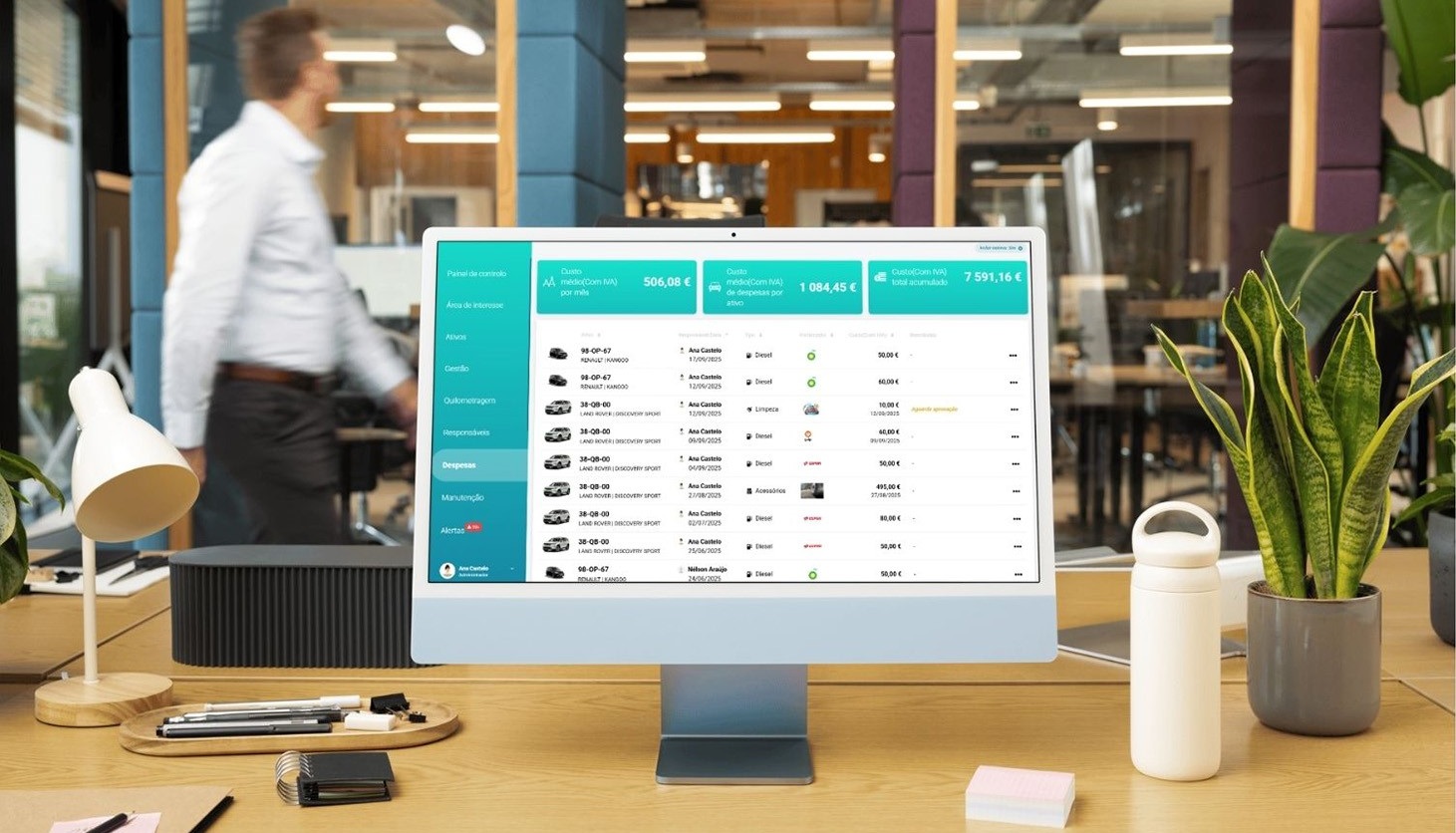
One of the most effective solutions involves intelligent consumption monitoring, using fleet management software that transforms data into strategic decisions and helps optimise operations.
When combined with other best practices, such as preventive maintenance, driver training, and route planning, the impact on cost reduction and fleet efficiency is even greater.
The Challenge of Controlling Fuel Costs
Many companies know that fuel represents a significant share of fleet costs, but struggle to reduce this expense. The lack of structured methods and organisation in daily management leads to costs increasing progressively, without clear control or prevention measures in place. Without monitoring systems or defined internal processes, it becomes difficult to identify waste, deviations, or savings opportunities.
As a result, companies end up bearing increasingly higher costs, often passively, without a solid strategy to optimise consumption and fleet efficiency.
The Importance of Digital Consumption Monitoring
For many companies, rising fuel costs are linked to a lack of organisation and clear control methods. This is where digital consumption monitoring, through fleet management software, becomes essential.
This type of tool allows:
- Full fleet visibility – you know exactly how much each vehicle consumes, when it refuels, and can identify deviations in real time, avoiding surprises at the end of the month.
- Detecting waste and fraud – automatic alerts for out-of-pattern consumption or improper fuelling help protect the company's budget.
- Making strategic data-driven decisions – detailed consumption analysis per vehicle and per route allows for route optimisation, maintenance planning, and replacement of less efficient vehicles.
- Increasing profitability – by reducing waste and optimising fleet operations, the return on investment becomes visible through clear and precise reports.
In summary, digital consumption monitoring is not just a control tool, but a central element for transforming scattered data into strategic decisions, helping companies implement concrete measures to reduce costs and manage their fleet more efficiently.
6 Strategies to Reduce Fuel Consumption
1- Consumption Monitoring with Fleet Management Software
Before investing in dedicated software, some companies start by recording consumption in a spreadsheet, noting fuelling events, mileage, and average consumption per vehicle. This approach provides some visibility, but has several limitations:
- It is prone to manual errors;
- It increases administrative workload to keep records up to date;
- It does not allow automatic alerts;
- Data analysis is slow and impractical for larger fleets;
- Difficult to integrate with other fleet management areas.
Therefore, migrating to fleet management software brings clear advantages:
- Centralises all fuelling data, average consumption, and mileage in a single system;
- Configures automatic alerts for fuel expenses incurred;
- Analyses detailed reports and identifies trends to act before costs increase;
- Enables strategic data-driven decisions, such as maintenance planning or replacing less efficient vehicles.
2- Regular Preventive Maintenance
Well-maintained vehicles consume less fuel and have a longer lifespan. Key practices include:
- Correctly calibrated tyres – ensure less rolling resistance, reducing fuel consumption and improving safety;
- Clean air and fuel filters – prevent engine overload and maintain energy efficiency;
- Up-to-date oil and lubricants – reduce engine wear and help keep consumption low;
- Regular servicing – detects problems before they worsen, avoiding breakdowns that increase fuel expenditure;
- Injection system and engine checks – ensure the engine operates optimally, avoiding fuel waste;
- Monitoring wear indicators – tyres, brake pads, and other components that, if neglected, can impact fleet efficiency.
💡 Preventive maintenance not only reduces fuel consumption but also lowers repair costs and increases the safety of vehicles and drivers.
3- Driver Training in Efficient Driving
Teaching drivers to adopt eco-driving habits can generate significant fuel consumption savings. Key recommendations include:
- Avoiding harsh acceleration and heavy braking – keeps consumption stable and reduces vehicle wear;
- Maintaining constant speed – especially on motorways, avoids consumption spikes;
- Switching off the engine during long stops – reduces unnecessary expenditure when the vehicle is not moving;
- Moderate use of air conditioning – only using AC when necessary, as excessive use significantly increases fuel consumption;
- Planning driving habits – encouraging routines that minimise unnecessary journeys and time in traffic;
- Continuous feedback – monitoring driver performance and providing efficient driving reports to reinforce good practices.
💡 Well-trained and conscious drivers can reduce fuel consumption by up to 15%, contributing to lower operational costs and greater fleet efficiency.
4- Optimised Route Planning
Efficient route planning is fundamental to reducing fuel consumption and optimising fleet operations. Key practices include:
- Using fleet management software – integrates traffic data, vehicle location, and route history to optimise journeys;
- Avoiding congestion and long routes – shorter and faster routes reduce unnecessary kilometres and time in transit;
- Grouping deliveries or collections – intelligent planning reduces duplicate trips and increases logistical efficiency;
- Monitoring route performance – analysing which routes are most efficient and continuously adjusting processes.
5- Fraud and Improper Fuelling Control
Avoiding waste and fuel diversion is essential for keeping costs under control. Key measures include:
- Integration of fuel cards with fleet management software – centralises information and facilitates monitoring;
- Alerts for abnormal consumption – detects out-of-pattern fuelling;
- Detailed record of each fuelling event – date, time, vehicle, and driver, ensuring traceability;
- Periodic reports – allow identifying suspicious patterns and correcting problems quickly;
- Clear usage rules for drivers – defines fuelling limits and best practices, reinforcing operational discipline.
6- Fuel Type Selection
Choosing the right fuel for each fleet vehicle can have a significant impact on operational costs and efficiency. To make more informed decisions, it is essential to rely on real consumption and fleet operation data. Key recommendations include:
- Analysing consumption data per vehicle – identifying which vehicles are most efficient with a particular fuel type;
- Comparing costs per km – considering not only fuel price but also average consumption and associated maintenance;
- Evaluating sustainable alternatives – hybrid or electric vehicles can reduce costs in the long term, especially for urban fleets;
- Matching fuel type to vehicle function – heavy-duty vehicles or long-distance routes may perform differently depending on the fuel;
- Integrating with fleet management software – using consumption reports and fuelling history to make strategic decisions on vehicle replacement or renewal.

Trends and Innovations in Fuel Management
Fuel management has evolved rapidly with advances in technology and sustainability. Companies that keep up with trends and adopt innovations can not only reduce costs but also increase fleet efficiency and prepare for future sector challenges. Among the key innovations are:
- Real-time telemetry integrated with management software – allows monitoring consumption, driver behaviour, and vehicle performance as it happens, facilitating immediate decisions.
- Predictive analysis with Artificial Intelligence (AI) – identifies consumption patterns, predicts maintenance needs, and helps prevent waste before it becomes costly.
- More sustainable fleets – the adoption of electric, hybrid, or biofuel-powered vehicles reduces fossil fuel consumption and contributes to environmentally responsible practices. See also our article: "Sustainable Fleets: Lower Costs, Greater Efficiency"
- Intuitive dashboards for operations teams and fleet managers – allow quick visualisation of KPIs, comparison of vehicles and routes, and strategic decision-making based on consolidated data.
💡 Companies that adopt these trends can reduce costs, optimise processes, and make fleet management smarter and more sustainable, staying competitive in a constantly evolving market.
Conclusion
Efficient fuel management starts with reliable and centralised data. Investing in fleet management software that monitors consumption is a fundamental step towards reducing costs, preventing fraud, and improving fleet performance.
If you would like to explore this topic further, you can read our article "Is it worth investing in fleet management software?" and discover all the advantages of these solutions.
The sooner you implement this type of tool, the faster you will see tangible results on the company's balance sheet and in operational fleet efficiency.
➡️ For reference, you can explore FleetMax's features at fleetmax.eu or request a free, no-obligation demo — to see if this solution suits your company's needs.